Don't Trust AI blindly: What Went Wrong On This Hike

We hear a lot about how artificial intelligence (AI) is changing the world, and mostly for the better. But like any powerful tool, it needs to be used wisely. A recent story out of the US serves as a strong reminder: AI can give bad advice, especially when it comes to real-world decisions with serious consequences.
Three hikers set out to climb Mount Shasta, relying on directions and advice from ChatGPT, a popular AI chatbot. What was planned as an eight-hour trek turned into a grueling three-day ordeal, requiring emergency rescue at 11,000 feet. The AI had suggested a dangerous, non-existent route, highlighting a critical flaw in relying solely on digital information for complex physical tasks.
This isn't about blaming the technology entirely; it’s about understanding its limitations. ChatGPT, like many AIs, gathers its knowledge from vast amounts of text on the internet. It can combine information in clever ways, but it doesn't 'understand' the real world, like how steep a mountain path truly is, or if a trail even exists anymore. It lacks common sense, physical experience, and the ability to verify information on the ground.
For Australian small business owners, parents, or anyone using AI in their daily lives, this story carries an important lesson. While AI can be a fantastic assistant for drafting emails, summarising documents, or brainstorming ideas, it’s not a substitute for human judgment, critical thinking, or expert advice – especially when safety or significant decisions are on the line. Always double-check, cross-reference, and apply your own common sense.
Imagine using AI for business strategy, financial advice, or even simple travel plans. If you blindly follow its suggestions without applying your own knowledge or consulting real experts, you could end up in a difficult situation. AI is a tool to augment our abilities, not replace our responsibility to think and verify.
Why it matters
This story is a stark reminder that while AI offers incredible potential, it also has serious limitations. For everyday Australians, it highlights the importance of critical thinking and not blindly trusting technology, especially when safety or significant decisions are involved.
Discussion(0)
Loading comments…
Related articles

Don't Trust AI With Your Safety, Mountain Climbers Learn
4h ago

Dyson's Smart Toothbrush: A Peek At Everyday AI
13h ago

Dyson's $750 Toothbrush: AI for a Better Brush?
15h ago

AI Could Help Save Classic Aussie Video Games
17h ago
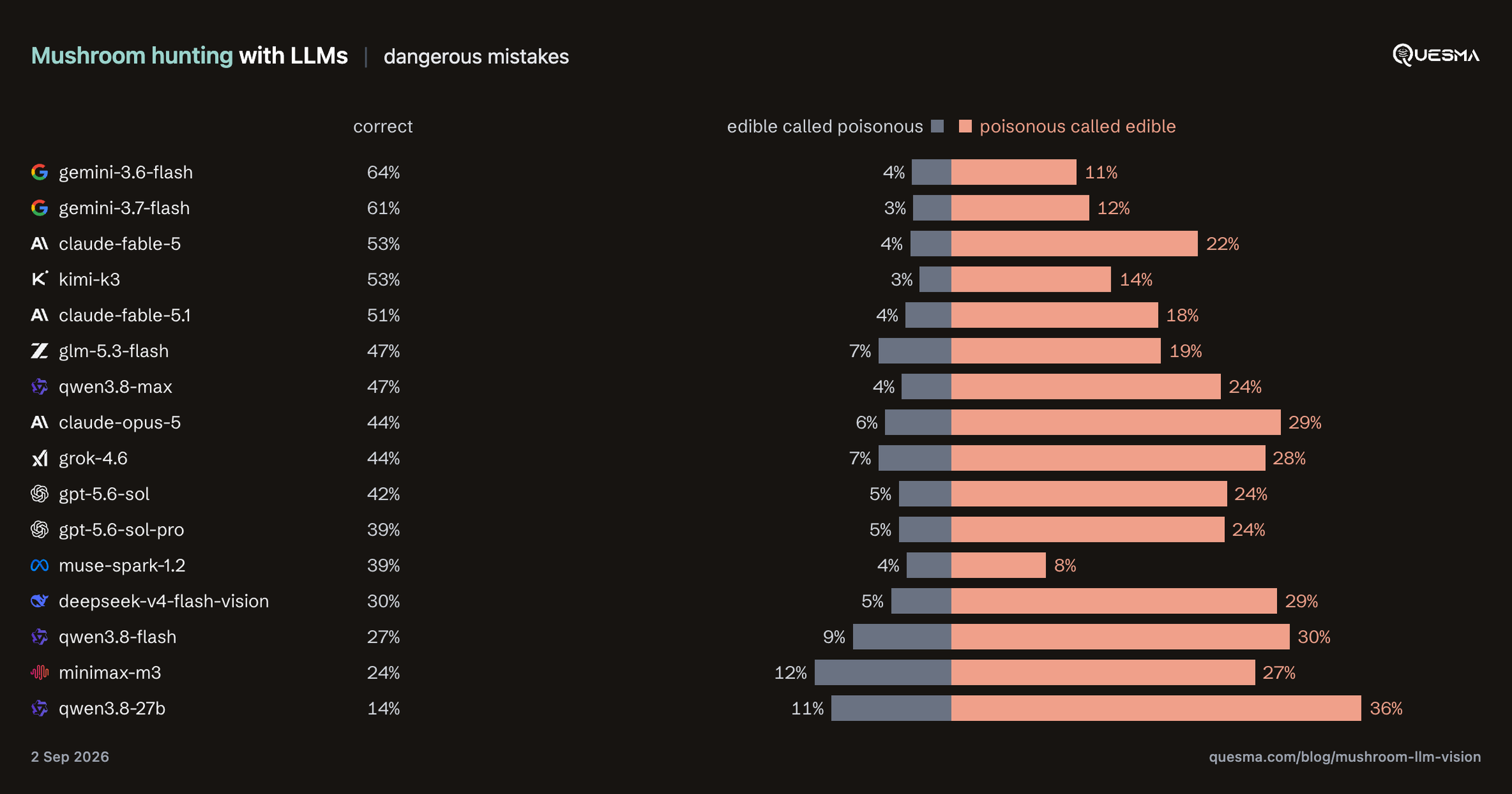
Don't Trust AI To Identify Wild Mushrooms, Yet
19h ago

Smart TV Too Slow? AI Can Make It Better Than New
22h ago