When AI Meets Your Insurance Claim

Artificial intelligence (AI) is popping up everywhere, and the insurance industry is no exception. We're seeing more and more reports about how AI is being used to process claims. But what's it really like on the ground for the people who actually handle those claims?
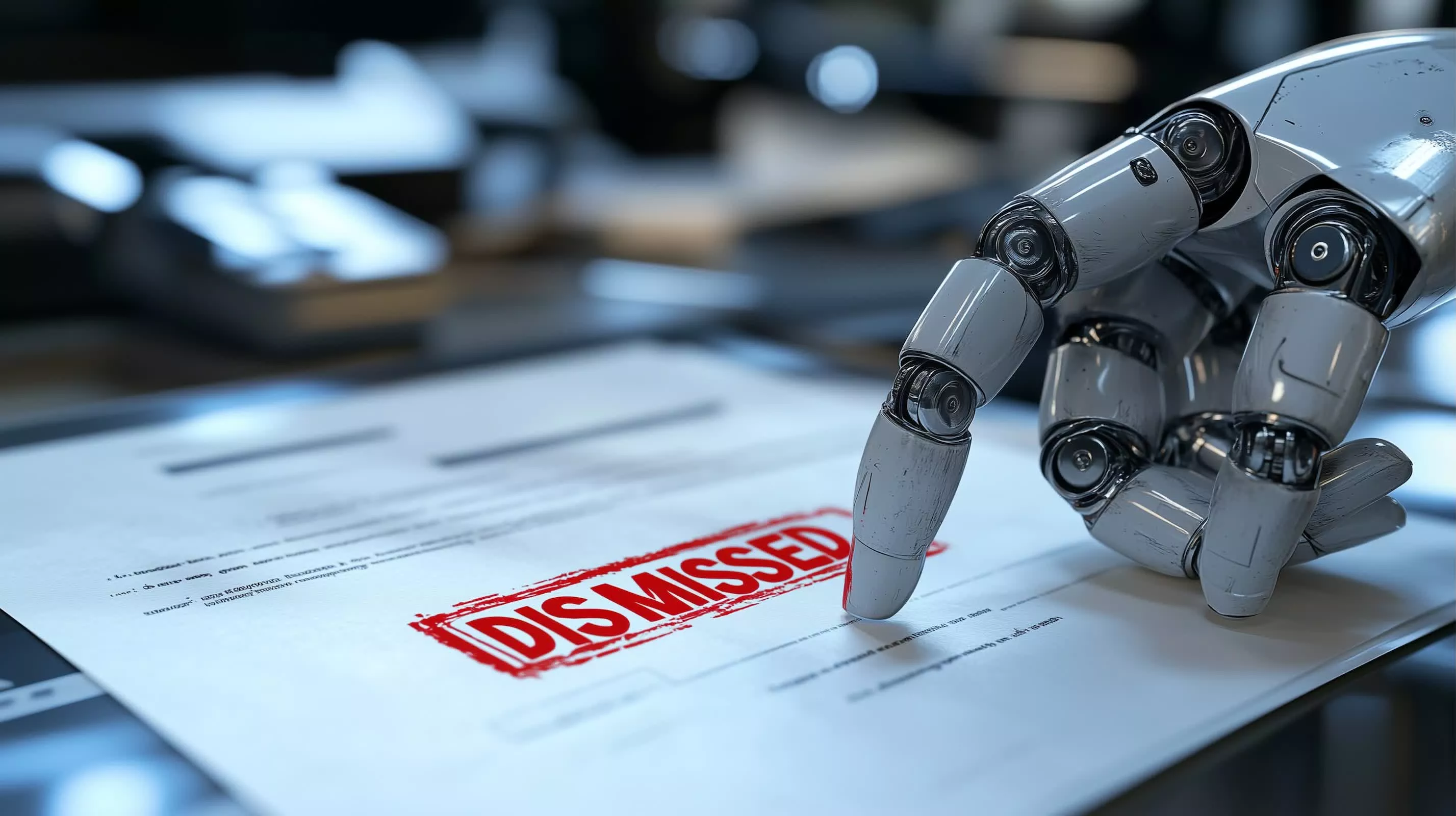
A recent report highlighted a fascinating point: a huge number of insurance claims adjusters — those folks who assess your claim after an accident or incident — are pretty unhappy about the introduction of AI in their jobs. They're worried about relying too much on software for decisions that need a human touch. In fact, nearly all surveyed voiced negative opinions, suggesting a big disconnect between the promise of AI and its practical application in this sensitive field.
For insurers, AI promises faster processing, lower costs, and perhaps even fairer outcomes by crunching vast amounts of data. This sounds great on paper, especially for small businesses looking to save time and money. However, the human element in insurance claims is crucial. Things like empathy, understanding unique circumstances, and negotiating fair settlements are complex. An AI, even a very smart one, might struggle to genuinely grasp the nuances of a situation or the personal impact on someone who's just had their home damaged.
This isn't just about jobs. It's about how we balance efficiency with human judgment and fairness. If AI takes over too much, it could lead to situations where deserving claims are mishandled because the computer missed a detail a human would have caught. Or, it could create a system where individuals feel they're arguing with a machine, rather than a person who can truly listen and understand.
So, as AI continues its march into industries like insurance, it’s vital to have a conversation about where the technology best serves us, and where human expertise remains irreplaceable. For Australian small businesses and families, this might mean clearer communication from insurers about their AI use, and perhaps even more pathways to speak with a human when a claim becomes complicated. It’s about making sure technology helps, rather than hinders, a fair outcome.
Why it matters
For everyday Australians, this means understanding how your insurance claim might be assessed in the future. Small business owners should consider whether AI will truly speed up or complicate their claims, and if there's still a real person to talk to when things get tricky.
Discussion(0)
Loading comments…
Related articles
When AI Makes Jobs Harder, Not Easier
3h ago

ChatGPT's Growth Shows AI Is Here To Stay
12h ago

ChatGPT's Massive Growth: What It Means For Aussie Business
14h ago

ChatGPT's Massive Growth: What It Means For Aussie Business
16h ago

Could AI Cheating Change How Aussies Get Qualified?
18h ago

This New AI Could Help Your Business Get More Done
19h ago