Could AI Learn Without Using Your Creations?
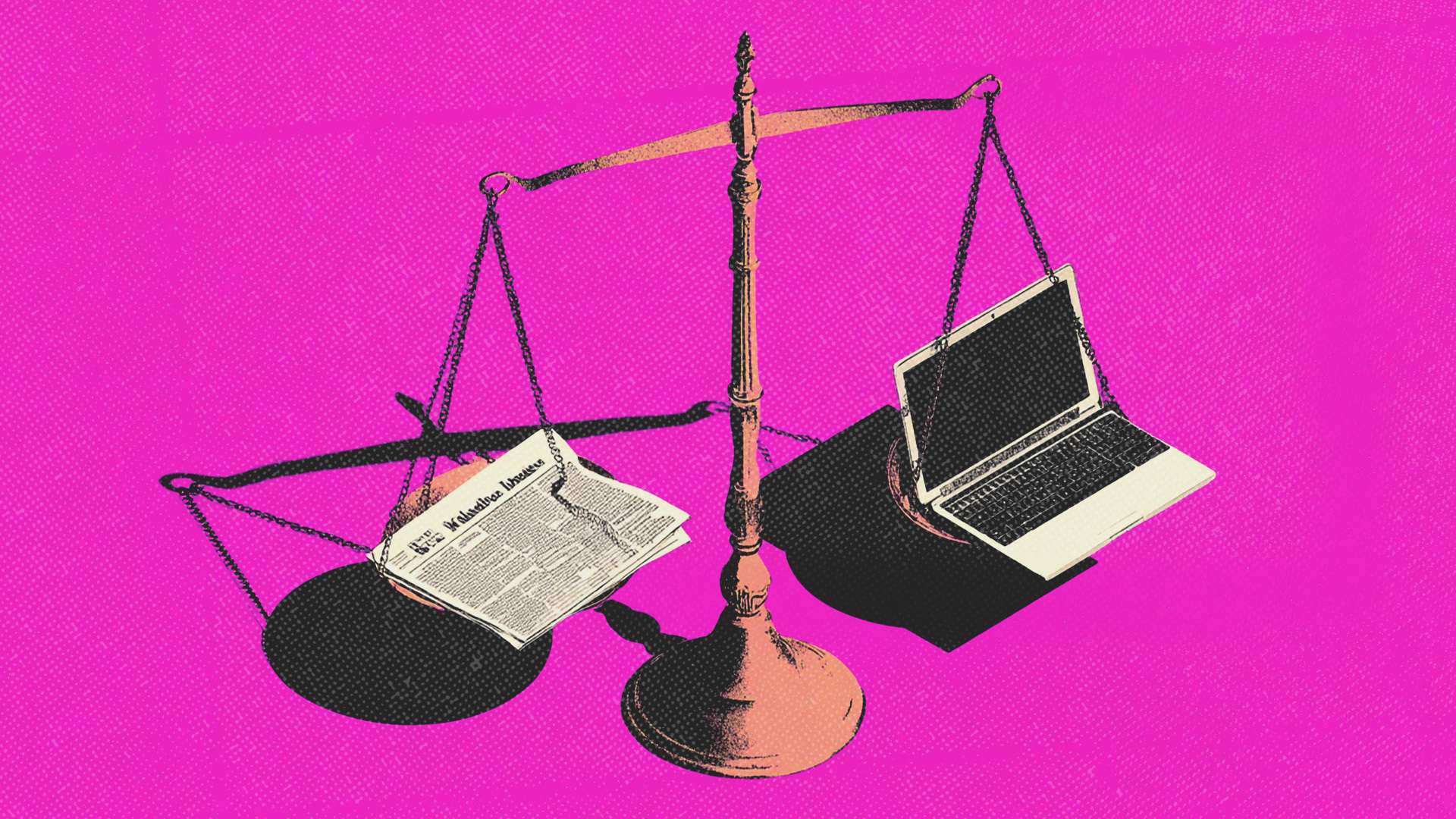
There's a big question brewing overseas about how the clever AI tools we're all starting to use actually learn. It's like this: imagine teaching a new apprentice everything about your business. You'd show them your methods, your designs, your old invoices – basically, all the hard work you've put in over the years. But what if that apprentice then went off and started their own business using *exactly* what you showed them, without asking permission or paying you a cent?
That's the heart of the debate happening right now in the United States. The Department of Justice, a top government legal body there, has weighed in. They're saying that if AI programs aren't allowed to 'learn' from all the information available on the internet – including books, articles, and even photos – then these new technologies might not develop as quickly. They argue that using existing works to teach an AI is a bit like how a journalist might research many different sources to write a new story; it's a 'transformative use', meaning it changes the material into something new, rather than just copying it directly.
On the other side, content creators – think authors, artists, and news publishers like The New York Times – are worried. They believe that AI companies are simply taking their valuable work, which they spent years creating, and using it to build powerful tools without any payment or recognition. They see it as unfair competition and a threat to their livelihoods. It’s a bit like someone scanning all your favourite books into a computer program, then having that program write new books in the same style, potentially taking sales away from the original authors.
This isn't just a squabble for tech giants; it touches on a fundamental issue for many Australians. If AI tools become incredibly smart because they've learned from *everything* online, that could bring huge benefits, like better services or new ways to run a small business more efficiently. But if the creators of that original 'everything' aren't fairly compensated, it could stifle creativity and quality content down the track. It's about finding a fair balance between encouraging innovation and protecting the rights of those who produce the original works that feed these AIs.
Here in Australia, our legal system often looks to international developments, especially from countries like the US, for guidance. So, while this debate is happening overseas, the outcome could certainly influence how our own government and courts approach AI and copyright in the future. It’s a complex puzzle, and everyone is trying to work out the fairest way forward for both creators and innovators.
Why it matters
This debate directly affects how quickly and effectively AI tools will develop, which could impact everything from how small businesses automate tasks to the quality of news and entertainment we consume. It's about balancing innovation with fair compensation for creators, a decision that will shape our digital future.
Discussion(0)
Loading comments…
Related articles

Aussie Businesses Need Clarity on AI and Copyright
2h ago

When AI Goes Wrong: Lawsuits Hit Popular Creator
3h ago

Should We Teach AI Or Hide It From Our Kids?
4h ago

When AI Changes Its Mind: What It Means For Trust
5h ago

Schools Grapple With AI: Is It A Tool Or A Threat?
6h ago

Who Owns AI's Brain? A Big Battle Over Information
7h ago