AI Helps Track Huge Ocean Algae Blooms
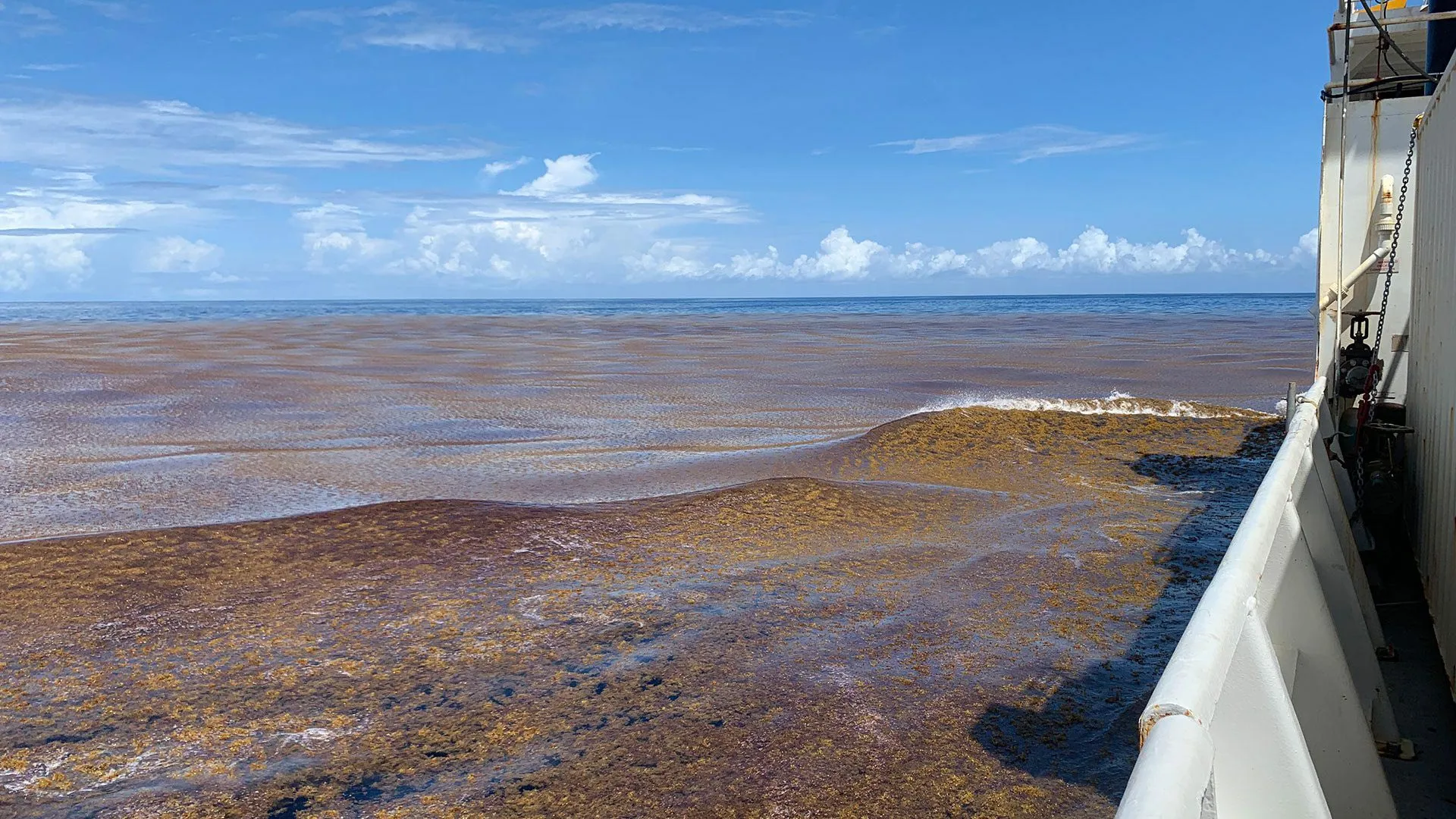
Scientists are now using artificial intelligence — or AI — to keep a close eye on a global environmental issue that could affect our beaches and marine life. New research, helped by AI, has shown that huge mats of floating algae are spreading rapidly across our oceans.
Imagine vast, floating seaweed carpets, growing bigger and bigger. That's what this AI, which looked at 1.2 million satellite images, has helped confirm. These aren't just pretty green patches; these massive algae blooms can really change ocean habitats, make the water smell awful when they decay, harm sea creatures, and even impact industries like fishing and tourism.
For everyday Australians, especially those near the coast or who enjoy our beautiful beaches and marine life, this is important news. While the AI isn't *causing* the problem, it's a powerful tool that helps us understand the scale of it. It means scientists can now track these changes more precisely and quickly than ever before, giving us a clearer picture of what's happening beneath the waves.
This kind of AI application shows how technology can be a vital ally in monitoring complex environmental shifts. It's about using smart tools to tackle big challenges, helping us understand and potentially prepare for the future impacts on our planet and our way of life.
Why it matters
This matters because large algae blooms can affect our beautiful beaches, harm fishing industries, and even create smelly conditions for coastal communities. AI is now helping us understand the scale of this environmental change so we can better prepare.
Discussion(0)
Loading comments…
Related articles

AI Helping Hospitals Stop Infections After Surgery
3h ago

New AI Models Show Big Steps In Problem-Solving
5h ago

Build Your Own AI Helper With No Coding Skills
6h ago

Unlock AI's Power: How To Get Better Answers From ChatGPT
8h ago

One Payment To Access All The Best AI Tools
10h ago

Boost Your AI Answers: Use More Than One Smart Tool
12h ago