Robots Are Improving, But Still Have a Long Way to Go
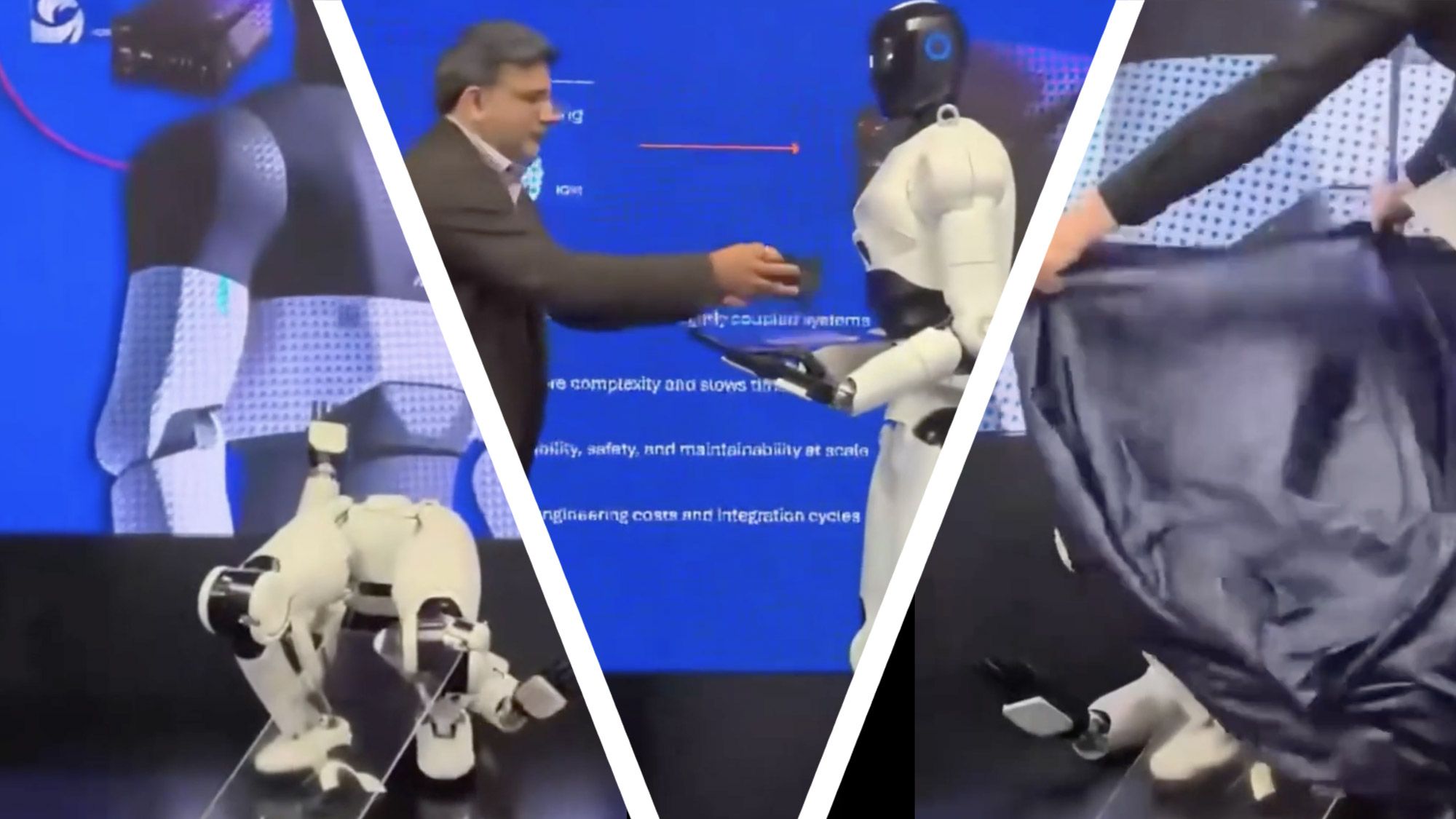
We've all seen those amazing videos of robots doing incredible things, but also the equally viral clips of them falling over or messing up. It can be confusing trying to work out if robots are about to take over, or if they're still just expensive toys.
Recent news highlights this perfectly. On one hand, a new development from Google DeepMind suggests a big leap forward in how robots learn. This breakthrough means robots could learn new tasks much faster, similar to how a person learns by watching others. Instead of needing to be programmed for every single movement, they might soon be able to adapt and understand what's expected of them in different situations.
This is a huge deal for places like factories, warehouses, or even in our homes, where robots could potentially help with a wider range of chores and jobs without needing constant, detailed instructions. Imagine a robot that can figure out how to stack shelves in a new layout, or pack different-sized boxes, just by being shown once or twice. That's the potential this technology offers.
However, we also saw another video doing the rounds that reminded us just how tricky it is to build a robot that can handle the real world. A robot trying to do a simple task completely failed, highlighting that even with advanced AI, the physical challenges of movement and interaction in unpredictable environments are still a major hurdle. It's a bit like having a brilliant mind, but a clumsy body.
So, while the future of helpful robots looks promising with advancements like DeepMind's, it's clear they're not quite ready to be running our businesses or doing the grocery shopping on their own. We're in a fascinating stage where the 'brains' of robots are getting incredibly smart, but the 'bodies' still need a lot more work to match. It's a steady march forward, not a sudden revolution.
For Aussie small business owners, this means keeping an eye on these developments. While a fully autonomous, all-purpose robot might be a little way off, these learning advancements suggest that specialised robots could become much more adaptable and useful sooner than we think. Think about tasks that are repetitive but require a bit of judgment – that's where we might see the first big impacts.
Why it matters
For everyday Australians, this shows that while robots are getting smarter, they won't be taking over all jobs or housework tomorrow. For small business owners, it highlights where the real-world applications of robotics are heading – more flexible, but still niche for now.
Discussion(0)
Loading comments…
Related articles

Robot Cleaners Could Change How We Tackle Chores
3h ago

Robots Are Getting Smarter: What It Means For Your Home
6h ago

New Rescue Robot Comes With 'Kill Switch' Instructions
8h ago

Robots Are Sparking a Trade War: How It Affects You
20h ago

Smart Robots Get Smarter, What This Means For Our Future
23h ago

LG's Big Bet: Your Next Robot Helper Might Be From Them
1d ago